
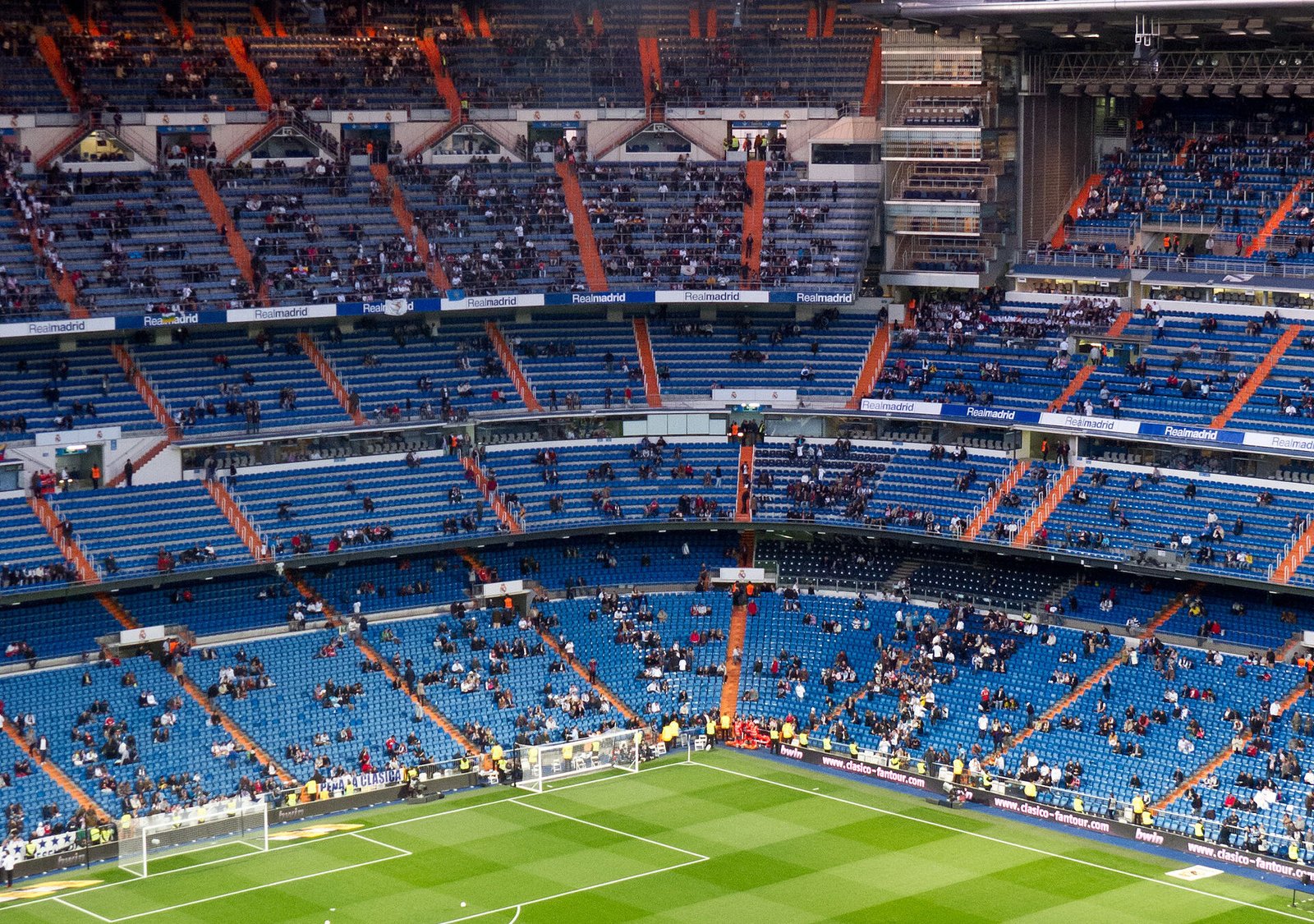
Real Madrid’s Governance Crisis has brought into sharp focus the intricate challenges of corporate oversight within global sports franchises. The recent developments surrounding President Florentino Pérez’s leadership have ignited a critical debate about executive accountability and transparency, particularly within member-owned organizational structures.
Pérez, a figure synonymous with Real Madrid’s modern era, called for elections in a tense press conference, stating, “We are going to call elections, and I will run with this Board of Directors to defend the interests of the members,” as reported by Real Madrid CF | Web Oficial. This decision followed a period of intense scrutiny and speculation regarding his tenure.
Why it matters
The governance of major sports clubs, especially those with significant global brand value, sets precedents for financial transparency and ethical leadership within the wider sports industry. This situation could influence how other fan-owned or publicly traded sports entities structure their executive oversight and respond to stakeholder pressure. The outcomes here may inform future regulatory frameworks and investor expectations across the sector.
Executive Accountability in Member-Owned Clubs
For member-owned sports clubs, the balance between executive autonomy and member oversight is perpetually delicate. Florentino Pérez’s announcement to call fresh elections, while simultaneously confirming his intention to run for re-election, highlights this tension. Pérez’s presidency has been characterized by significant financial maneuverings and ambitious projects, including the redevelopment of the Santiago Bernabéu stadium, alongside a string of sporting successes. However, recent controversies have intensified calls for greater transparency in decision-making and financial reporting. The BBC reported on the extraordinary nature of Pérez’s press conference, noting the defensive posture taken by the long-serving president amidst mounting pressure. This scenario provides a unique case study for understanding how accountability mechanisms function, or falter, in organizations where ownership is diffused among a large membership base rather than concentrated in institutional investors. The challenge for these models is to ensure that executive boards are not only effective in driving commercial success but also transparent and responsive to the foundational interests of their members. Your understanding of these dynamics is crucial for assessing governance risk in similar structures globally.
A governance crisis within a major sports institution typically refers to a significant breakdown in the processes, rules, or practices by which the organization is directed and controlled. This breakdown can manifest as a lack of transparency, issues with executive accountability, conflicts of interest, or challenges to established leadership, often leading to public scrutiny and internal instability.
The Broader Implications for Sports Business Models
The situation at Real Madrid extends beyond internal club politics, offering insights into the evolving landscape of sports business. The club’s substantial global brand and commercial operations mean that its governance practices are observed keenly by other large sporting entities, including those listed on stock exchanges or those with significant private equity investment. The New York Times detailed the dramatic nature of Pérez’s address, including his denial of health rumors, underscoring the personal stakes involved in high-profile sports leadership. The outcome of these elections, and the subsequent direction of Real Madrid, could influence how other clubs, particularly those with a strong historical connection to their fan bases, approach corporate restructuring, executive compensation, and external audit requirements. As sports entities increasingly operate as multinational corporations, the demand for robust governance frameworks that balance tradition with modern corporate standards becomes paramount. For a deeper dive into financial structures, you might explore our business section on corporate finance.
Navigating Shareholder Influence and Ethical Leadership
In organizations like Real Madrid, where members are the ultimate ‘shareholders,’ their collective influence is theoretically substantial, yet practically often dispersed. This creates a fertile ground for entrenched leadership to consolidate power, making effective shareholder activism challenging. The current crisis underscores the need for clear ethical guidelines and a robust framework for conflict resolution. The debate over Pérez’s leadership is not merely about sporting results, but fundamentally about the principles governing a multi-billion-euro enterprise that carries significant cultural weight. Lessons from this episode could inform best practices for transparency in financial dealings and the establishment of independent oversight bodies within sports. For further analysis on global trends in sports and world affairs, consider our broader coverage. The focus on ethical leadership in sports is gaining traction, with increasing calls for governance that prioritizes long-term sustainability and stakeholder trust over short-term gains. This situation provides a compelling case study for long-reads on corporate governance.
Real Madrid’s Governance Crisis, therefore, is more than a club-specific issue; it’s a significant indicator of what to watch next in the broader sports industry’s approach to executive accountability and financial transparency.
Disagree? Tell @PriyaAnandMD on X.
Similar governance tensions surface in our coverage of young talent in the Premier League.