
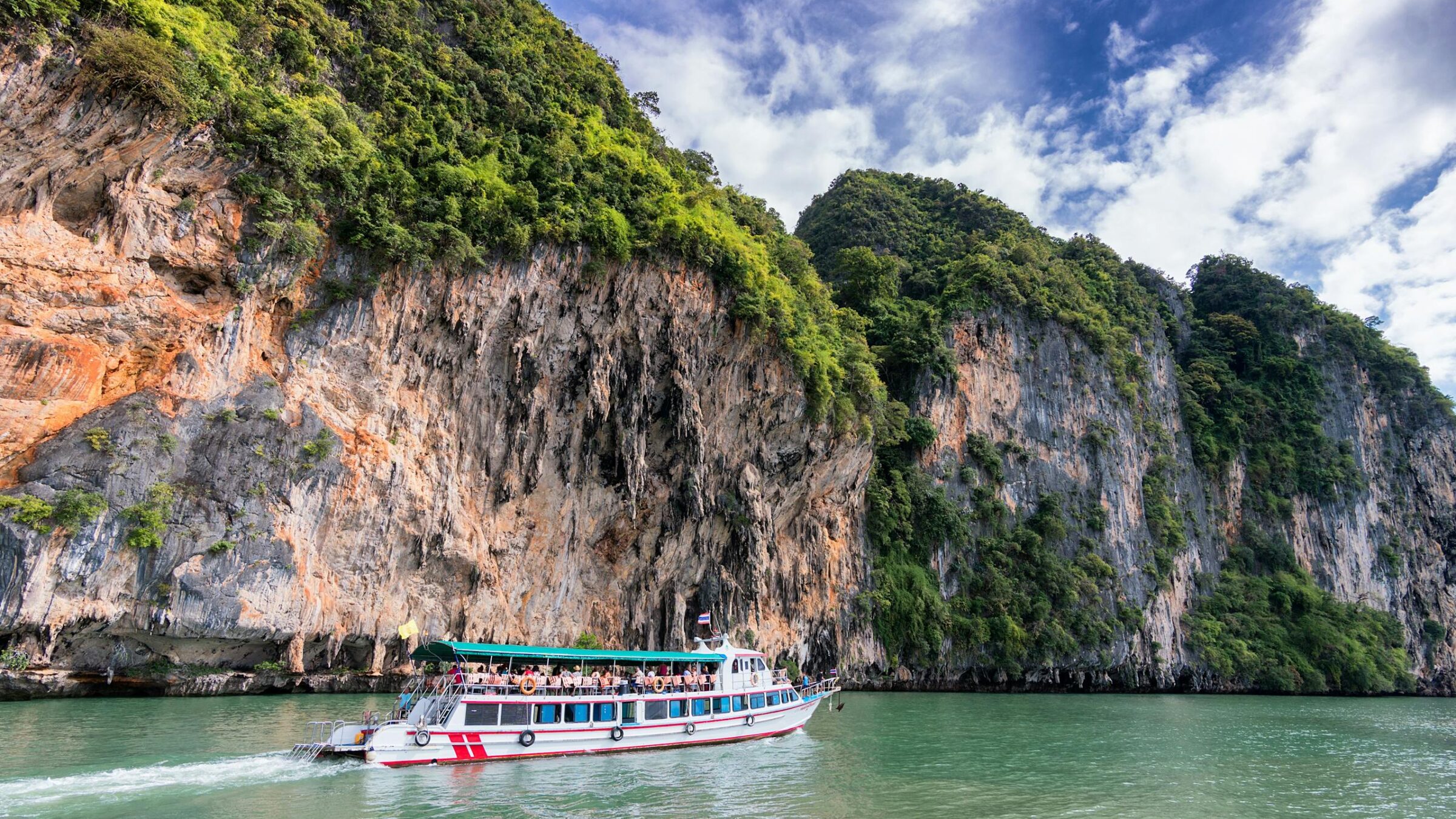
The digital age has reshaped our very understanding of travel, transforming it from a personal journey into a shared, often monetised, spectacle. Nowhere is this more evident than in the burgeoning world of travel vlogging, where a single viral upload can send ripples across continents, as seen with the recent ‘TFO VLOG PHUKET 1M’ trend.
This particular vlog, garnering millions of views, thrust Phuket into the digital spotlight once more, showcasing its sun-drenched beaches and vibrant street life to a global audience. Yet, beneath the glossy veneer of perfectly edited montages and enthusiastic endorsements lies a more complex narrative about the unseen impacts on local economies and the delicate balance of cultural authenticity.
Why it matters
Understanding the ripple effects of viral travel content is crucial for sustainable tourism and authentic cultural exchange. It shapes how destinations are perceived and how local communities adapt to global digital trends, necessitating a closer look at the mechanisms through which digital tourism influences on-the-ground realities.
The immediate benefit of a viral vlog seems straightforward: increased tourism. For destinations like Phuket, already a global magnet, such exposure can translate into a surge of visitors eager to replicate the experiences seen on screen. This influx can undoubtedly boost local businesses, from street food vendors to tour operators and accommodation providers, injecting much-needed revenue into the community. The Tourism Authority of Thailand (TAT) Annual Report 2023 consistently highlights the significant economic contribution of international tourism, and viral vlogs undoubtedly play a role in this.
However, the impact isn’t uniformly positive. The ‘TFO VLOG PHUKET 1M’ phenomenon, while driving traffic, also raises questions about the type of tourism it attracts. Often, viewers are drawn to specific, picturesque spots featured in the vlog, leading to over-tourism in concentrated areas. This can strain local infrastructure, increase waste, and even displace local populations as property values soar and living costs escalate to cater to tourist demands. The authenticity that initially drew the vlogger, and subsequently their audience, can gradually erode under the sheer weight of commercialisation.
Moreover, the depiction of a destination in a vlog is inherently subjective and often curated for entertainment value. While showcasing the beauty and excitement of a place, it can inadvertently create unrealistic expectations or overlook the socio-economic complexities faced by local residents. Tourists arriving with a pre-conceived, vlog-driven notion of a destination might seek only the experiences presented, potentially missing out on deeper cultural engagements or contributing to a superficial understanding of the local way of life. This can reduce a rich cultural tapestry to mere backdrops for selfies and Instagram stories.
The rise of the ‘digital nomad economy’, heavily influenced by travel content, further complicates this dynamic. As explored in the Journal of Tourism Planning and Development, ‘The Digital Nomad Economy and Local Adaptation’, the integration of long-term visitors who work remotely into local economies presents both opportunities and challenges. While they bring spending power and often contribute to a diverse cultural milieu, their presence can also accelerate gentrification and widen the gap between local wages and the cost of living, fundamentally altering the social fabric of a community.
The ‘TFO VLOG PHUKET 1M’ serves as a potent reminder that the digital footprint of travel extends far beyond mere views and likes. It shapes perceptions, drives economies, and subtly, yet profoundly, redefines the cultural landscapes of our most cherished destinations. As content creators continue to capture and share the world, and as audiences consume these narratives with insatiable appetites, it becomes increasingly vital for both creators and consumers to consider the unseen impacts and advocate for a form of digital tourism that champions sustainability, respect, and genuine cultural exchange.
Disagree? Tell @JamesOkaforMD on X.