
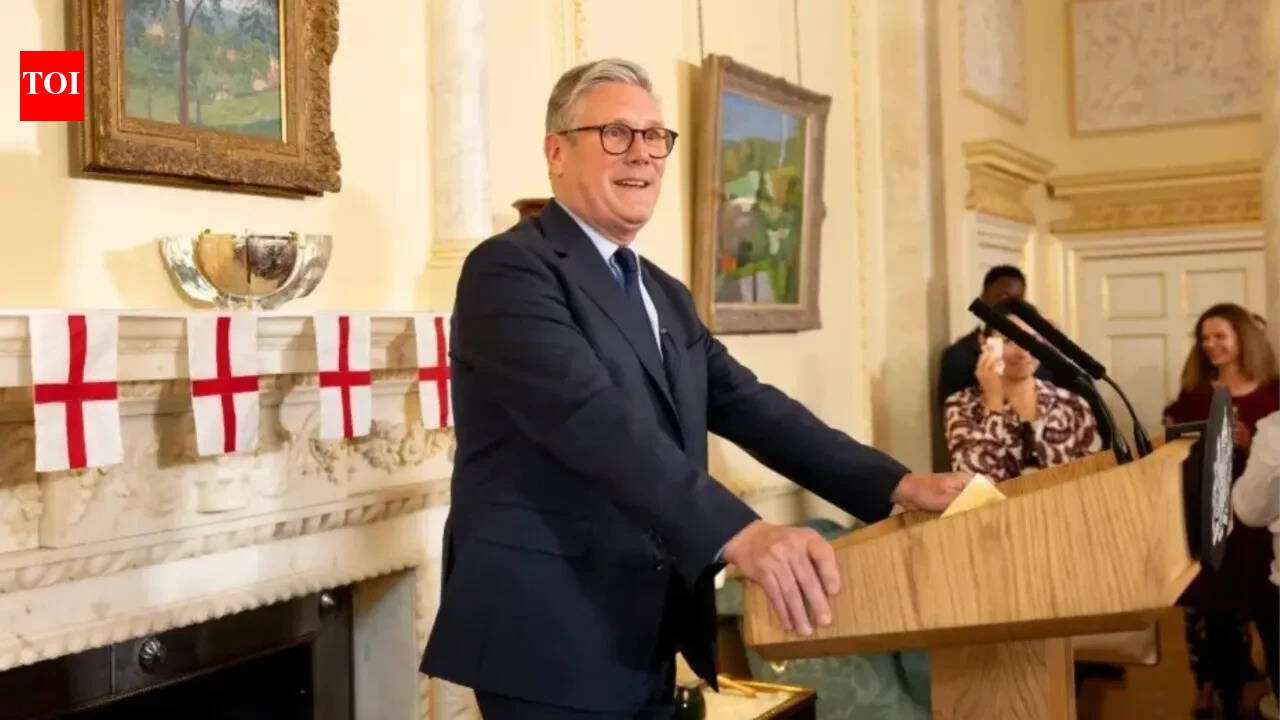
The Labour Party once again finds itself at a crossroads, with Keir Starmer’s leadership under intense scrutiny as internal dissent mounts. This current crisis, as reported by BBC and The Guardian, evokes a potent sense of déjà vu for those familiar with Labour’s tumultuous history, where leadership battles have often defined its trajectory.
Starmer’s premiership began the day damaged and only worsened, according to The Guardian, with questions swirling around whether he has done enough to save his position (BBC). The LabourList details which MPs are openly calling for Starmer to resign and those who remain supportive (LabourList), while The Spectator provides a live update on these challenging dynamics.
Why it matters
Understanding the historical context of Labour leadership battles offers crucial insight into the potential outcomes and the future direction of one of the UK’s major political parties. The stability or instability of its leadership can significantly influence national policy and the broader political landscape, shaping economic priorities, social welfare, and Britain’s role on the international stage. These internal power struggles are not merely academic; they have real-world implications for millions of citizens.
Labour’s history is punctuated by leadership challenges that have reshaped the party’s ideology and electoral fortunes. From the dramatic ousting of Ramsay MacDonald in the 1930s, which led to a historic split, to the intense ideological struggles that characterised the party under Michael Foot and Neil Kinnock in the 1980s, internal dissent has consistently acted as both a crucible and a catalyst. These periods of upheaval often force a party to re-evaluate its core principles and its appeal to the electorate, sometimes leading to revitalisation, other times to prolonged periods in opposition.
The current situation, where Starmer is in crisis mode and methods for his potential dislodgement are openly discussed (politico.eu), reflects a pattern. Historically, a failure to consolidate power or articulate a unifying vision has left leaders vulnerable. The party’s finances, its relationship with trade unions, and its perceived electability have all played significant roles in past leadership contests. For instance, the shift towards New Labour under Tony Blair was a direct response to years of electoral defeat and a perceived need for modernisation, a pivot only made possible by overcoming internal resistance to fundamental change.
Today, the financial implications of a protracted leadership contest, or a change in leadership, cannot be overlooked. Campaign funding, party infrastructure, and the allocation of resources are all subject to the stability of the leadership. Donors, both individual and institutional, often align their support with leaders they believe can deliver electoral success and policy influence. A perception of instability can deter investment in the party, potentially weakening its ability to campaign effectively in future elections.
Moreover, the ideological battles that accompany leadership challenges frequently involve a re-examination of the party’s economic platform. Will Labour lean further towards centrist fiscal policies, or will calls for more radical socialist approaches gain traction? The direction the party takes on issues such as taxation, public spending, and industrial policy will have profound consequences for the UK economy. A leader’s ability to navigate these diverse economic philosophies and forge a consensus is crucial, not just for party unity, but for presenting a coherent and credible alternative government.
As Keir Starmer navigates these treacherous waters, the echoes of past Labour leaders facing similar trials resonate loudly. The outcome of this current leadership challenge will not only determine Starmer’s political future but will also fundamentally shape the Labour Party’s identity, its policy agenda, and its prospects for power in the years to come. The stakes, both for the party and for the nation, are undeniably high.
Disagree? Tell @MarcusReidMD on X.