
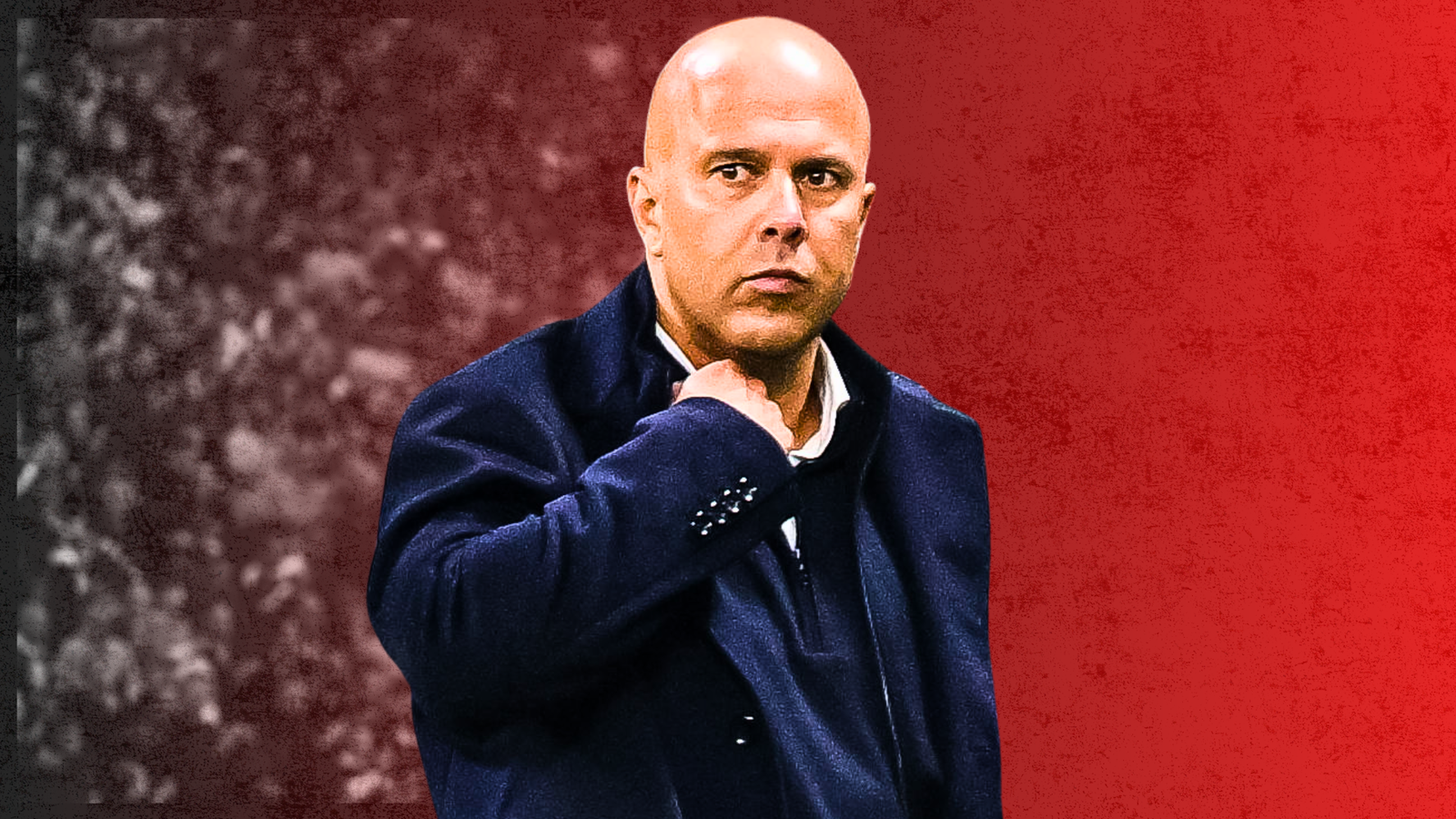
Is Liverpool’s Identity Crisis merely a blip, or a profound symptom of the wider challenges engulfing modern football? A string of poor results has not only cast a shadow over Anfield but also ignited critical discourse regarding the delicate balance between established club ethos and the relentless pursuit of immediate success. The recent 3-3 draw against Aston Villa, despite a two-goal lead, perfectly encapsulated a season where the Reds have often appeared rudderless, prompting former player Jamie Carragher to lament, “Liverpool have too many weak players and don’t excel at anything.”
This sentiment, echoed across fan forums and media analyses, points to an unsettling truth: Liverpool, a club synonymous with a distinct playing philosophy and an unyielding spirit, seems to be grappling with its very essence. The swift dismissal of questions about Arne Slot’s future post-Villa, as reported by the London Evening Standard, highlights an institution under immense pressure, where even contemplating long-term strategy appears a luxury.
Why it matters
The challenges faced by a global football giant like Liverpool offer a microcosm of the evolving landscape of professional sports, where tradition often clashes with commercial imperatives. Understanding this dynamic can inform discussions about sustainable growth and fan engagement across various sporting leagues. For clubs worldwide, Liverpool’s journey underscores the critical importance of aligning tactical decisions with core identity to avoid similar pitfalls. What constitutes success in modern football is no longer just silverware, but also the preservation of institutional values.
The Erosion of Core Principles and Player Strategy
Modern football increasingly prioritises short-term gains over long-term strategic development, leading many clubs, including Liverpool, to a precarious position. The pressure from owners, media, and a global fanbase for instant gratification can lead to reactive transfer policies and a diluted playing philosophy. For Liverpool, the question isn’t just about individual player performance, but whether the recruitment strategy aligns with a cohesive, overarching vision. Carragher’s blunt assessment, “Liverpool have too many weak players and don’t excel at anything,” published by Sky Sports, suggests a systemic issue rather than mere individual failings. When a club deviates from its established identity—be it ‘gegenpressing’ or ‘heavy metal football’—it risks losing not only its competitive edge but also the very soul that binds its supporters. This loss of identity can manifest in inconsistent performances, a lack of clear tactical direction, and an inability to adapt to in-season challenges. It’s a dangerous path that can undermine years of carefully cultivated success and fan loyalty. Examining the player ratings after the Villa loss, where several players received dismal 4/10s from the Daily Express, further illustrates the individual performance dip that can occur when the collective strategy is unclear. You might wonder, how does your club maintain its identity amidst these pressures?
The Commercial Imperative Versus Sporting Integrity
The global appeal of clubs like Liverpool means they operate as vast commercial entities, with revenues tied to merchandise sales, broadcasting rights, and international tours. This commercial imperative often dictates decisions that may not always align with pure sporting integrity. The need to maintain a high global profile can influence transfer targets, coaching appointments, and even pre-season schedules, sometimes at the expense of player welfare or tactical coherence. The constant churn in player personnel, driven by market value and perceived commercial appeal, can disrupt team chemistry and prevent the organic development of a cohesive unit. As ESPN highlighted, Liverpool’s latest stumble has become a reflection of a poor season, and this extends beyond just results on the pitch; it reflects a struggle to reconcile the demands of a global brand with the fundamental requirements of building a winning football team. The challenge is to find a balance where commercial success reinforces, rather than undermines, sporting ambition. Without this equilibrium, even the most storied institutions risk becoming hollow brands, rich in revenue but poor in spirit.
Ultimately, Liverpool’s current identity crisis serves as a stark warning to other major sporting institutions. The relentless demands of modern football, coupled with the immense commercial pressures, create an environment where long-term strategic thinking can be sacrificed for immediate results. To thrive sustainably, clubs must rediscover their core principles, invest in player development that aligns with a clear philosophy, and resist the temptation to become mere reflections of market trends. The future of football’s giants depends on their ability to navigate this complex landscape without losing sight of what made them great in the first place. This struggle for authenticity will define what to watch next in the sport’s evolution.
Disagree? Tell @CatherineHollowayMD on X.
What to watch next
The story behind Is Liverpool’s Identity Crisis a Symptom of Modern Football? continues to develop. Sources are being verified and updates will follow.
These pressures also surface in our reporting on young talent in the Premier League.